Windmill Applique: A Practical Designer's Review
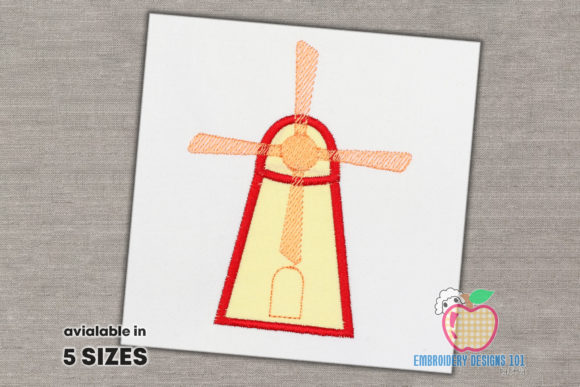
When you pull up a new embroidery file for a potential project, the first question isn't just about stitch count or compatibility. It’s about feeling. The Windmill Applique design, from a glance, evokes a specific mood: nostalgic, rustic, and quietly charming. It’s not a flashy, modern graphic; it’s a piece with a gentle, almost storybook personality. The shape is classic, the theme leans towards countryside serenity, and the layout suggests a design meant to be a focal point, not a busy background element. This tells me immediately that it belongs on projects where a touch of warmth and character is the goal.
The Right Project for This Windmill's Charm
Imagine you’re preparing a custom tote bag for a client who loves rustic kitchen decor, or a cozy pillow cover for a nursery with a gentle theme. This Windmill Applique feels perfect there. Its visual personality isn't aggressive; it's inviting. For small business owners crafting boutique kitchen towels or aprons, it adds a handmade, artisanal quality that elevates a simple product. As an Etsy seller, I'd see this design shining on tea towels, linen napkins, or even as an embroidered patch applied to a denim jacket. The applique style—where fabric pieces are stitched down—means you can introduce a secondary color and texture, which is fantastic for product value. A cotton tote with a small windmill applique in a contrasting gingham feels thoughtfully crafted, not just stamped.
Where the Design Finds Its Home and Where to Be Cautious
In real-life embroidery, this Windmill Applique would perform beautifully on stable, mid-weight fabrics. Think cotton totes, canvas aprons, linen pillow covers, or the non-stretch panels of a sweatshirt. For baby items like quilted blankets or nursery wall hangings, it creates a sweet, timeless motif. The separation by color changes mentioned in the description is crucial—it allows for efficient stitching and clear visual layers, which is a sign of a well-structured embroidery file.
However, I’d use it carefully on certain surfaces. Small hoop sizes might compromise the clarity of the windmill’s finer details, like any potential blade outlines or tower textures. Textured or very thin fabrics could distort the applique shapes. Stretchy fabric, like on a t-shirt sleeve, would demand excellent stabilizer to prevent puckering. On dark fabric backgrounds, you’d need to be strategic with your applique fabric color choices to maintain contrast and visibility. And while it could be adapted for a curved surface like a cap, the central, somewhat vertical layout might require careful positioning to look balanced on the curved crown.
Stitching It Into Reality: A Designer's Process
Before I ever load this into a machine for a client’s project or my own craft business merchandise, my process is practical. I test it on scrap fabric first—the exact fabric I intend to use for the final product. This tells me everything about stitch density, whether any areas are too dense for lightweight material, and how the applique fabrics lay down. Checking thread color contrast is vital; the satin stitches that typically outline an applique need to pop against both the applique fabric and the base garment.
I review the actual embroidery file to understand its construction. Are the fill stitches for the tower solid? Are the running stitches for details crisp? I confirm the hoop size requirement from the file itself—a detail you must always check before starting. Inspecting small details in this test stitch-out prevents surprises: are the windmill blades distinct, or do they blur into a single shape? For business use, I also test the design in black and white mockups for my product listings and compare how it looks on both light and dark fabric backgrounds in my digital product previews. This helps customers visualize the finished product, building trust and engagement.
Turning a File into a Trustworthy Finished Product
How does using a design like Windmill Applique affect your work? For visual appeal, a well-embroidered applique adds a tactile, premium layer that flat stitch designs don't have. This stitching clarity directly impacts perceived product value. A clean, puckered-free windmill on a tea towel looks professional; it signals care and skill, which builds customer trust and makes your handmade presentation stronger. For brand consistency, if your small shop focuses on rustic or heritage-style goods, this design becomes a cohesive asset.
Its giftability is high—it feels personal and thoughtful on a personalized gift, like a monogrammed towel set with a windmill accent. For commercial embroidery projects, such as a run of logoed aprons for a small cafe, it offers a friendly, non-corporate vibe. The key is always the execution. Using proper stabilizer for the fabric type is non-negotiable to achieve that professionalism. And crucially, before selling any finished items or using the digital embroidery file in products for sale, you must confirm the licensing terms provided with the design. This protects your business and respects the designer's work.
Final Thoughts Before Hooping the Fabric
The Windmill Applique is a design that asks for a thoughtful application. It’s not a throw-it-anywhere graphic; its mood dictates its best partners. It would feel out of place on a sleek tech bag but absolutely at home on a market tote or a child’s keepsake blanket. For apparel decorators, it’s a strong choice for non-stretch apparel items where its details can shine. For digital product sellers offering the file, clear mockups showing it on various products—like a sweatshirt, a tote, and a pillow—would help buyers envision its potential.
My advice is to embrace its nostalgic strength. Let it be the quiet, charming centerpiece on a project that needs that tone. Plan your applique fabric choices as carefully as your thread colors. And always, always run that test stitch. That practical step transforms a digital file from a potential into a beautiful, reliable part of your next embroidery project, your next craft fair product, or your next beloved handmade gift.