An Embroidery Designer's Review of Rottweiler Lineart
As an embroidery designer who spends more time with thread and stabilizer than with a keyboard, I approach every embroidery file with a practical eye. I'm not just looking at a picture; I'm thinking about how it will stitch out, how it will feel on fabric, and what kind of project it will truly elevate. Today, that file is Rottweiler Lineart.
The First Impression: A Strong, Clean Statement
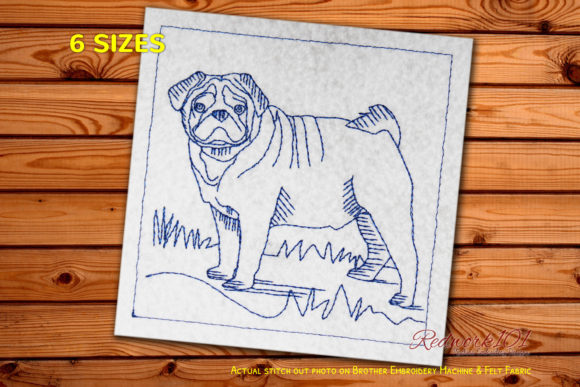
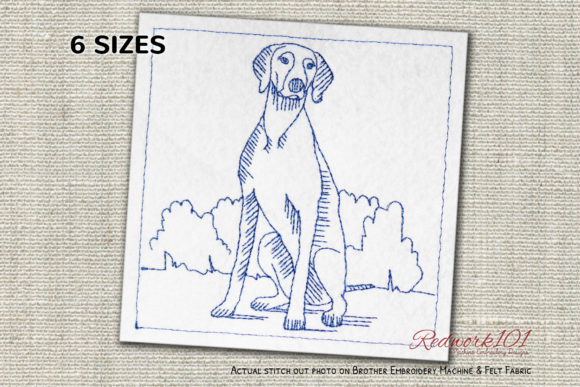
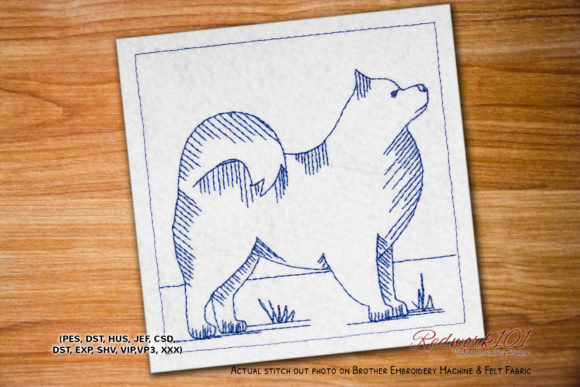
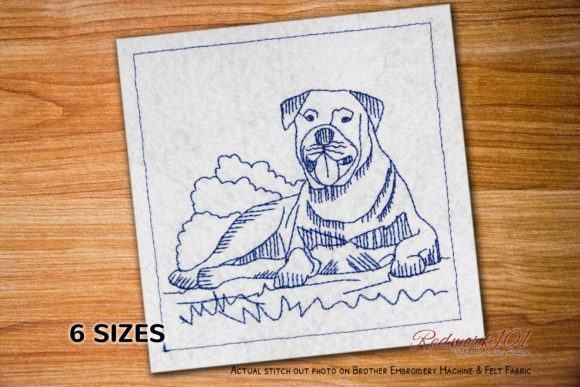
Opening the Rottweiler Lineart embroidery file, the immediate vibe is confident and clean. This isn't a fluffy, detailed portrait. It's a graphic, line-based interpretation of the breed—strong, solid, and with a distinct personality. The shape is bold, the lines are definitive, and the overall theme leans toward a modern, almost emblematic feel. It doesn't scream “cute dog.” It whispers “loyal guardian” or “family protector.” That visual personality makes it exceptionally versatile for projects that need a touch of character without overwhelming sentimentality.
For embroidery designers and craft business owners, this kind of design is a valuable asset. It translates well across many mediums. I immediately pictured it on a heavy-duty tote bag for a dog owner, or as a subtle accent on the sleeve of a well-made sweatshirt. Its clarity suggests it would work beautifully for an embroidered patch, something with a crisp, defined edge. The layout is straightforward, focusing on the essence of the Rottweiler, which means it won't fight with other elements on a garment or home decor item.
Real-World Stitching: Where This Design Comes Alive
Let's walk through a real scenario. Imagine you're preparing a custom order for a client who wants a personalized gift for her husband, a Rottweiler enthusiast. She's chosen a high-quality, canvas tote bag. The Rottweiler Lineart embroidery file is perfect here. The clean lines will stitch out with excellent clarity on that textured fabric. Using a crisp satin stitch for the main outlines and a fill stitch for optional solid areas (like that mentioned box, which you can easily skip if it doesn't suit the vision) would create a professional, handmade product that feels both personal and durable.
This performance extends to many real-life embroidery situations. On a baby's blanket or nursery decor item for a family proud of their dog, the design becomes a sweet, symbolic nod rather than an intimidating image. Stitched onto a chef’s apron or a kitchen towel in a home with a Rottweiler, it adds personality without being kitschy. For an Etsy seller creating a line of dog breed-themed caps, this lineart would provide a sharp, recognizable graphic that stitches well on the curved surface of a cap, provided the hoop size and stabilizer are chosen correctly. In a craft fair setting, this design on a simple pillow cover or tea towel instantly creates boutique merchandise with a clear theme—Dogs—that customers can immediately connect with.
For digital product sellers and creative entrepreneurs, the strength of this design is its utility in printable mockups and as a commercial embroidery asset. Its clean nature makes it easy to preview on both light and dark fabric backgrounds in digital mockups, helping buyers visualize the finished product. Its straightforward detail level suggests it would be a reliable choice for commercial embroidery projects where consistency across multiple items is key.
Considerations for a Perfect Stitch
While the mood is right and the applications are broad, any experienced designer knows that success lies in thoughtful execution. There are places where the Rottweiler Lineart design should be used carefully. The detail level, while clean, does include some corners and potential dense stitch areas depending on how you choose to treat the outline. On very small hoop sizes, those details might lose their sharpness. Embroidering onto thin or stretchy fabric without the proper, heavy-duty stabilizer could lead to distortion of those proud, clean lines.
Dark fabric is a classic consideration. The design’s appeal relies on contrast. If stitching onto a black sweatshirt, you’ll need to choose thread colors that pop—perhaps a bright white or a silver grey—to maintain that graphic impact. Similarly, on textured fabrics like some sweaters or blankets, a running stitch might not hold the definition as well as a satin stitch; a test on scrap fabric is absolutely advised here.
For products destined for frequent washing, like baby clothes or kitchen towels, ensuring the stitch density is robust enough to withstand wear is crucial. A sparse, single-line approach might fray over time. Inspecting the small details in the file beforehand to understand how they'll build up with thread is a non-negotiable step for any professional.
How This Design Impacts Your Project and Business
Choosing the right embroidery file isn't just about aesthetics; it's about value. Using Rottweiler Lineart on a custom apparel item or handmade product increases its visual appeal through recognition and clean presentation. For a small shop owner, that translates directly to customer trust and perceived professionalism. A well-stitched, clear design on a tote bag looks intentional and high-quality, reinforcing your brand consistency as a maker.
Its giftability is high. As a holiday gift or wedding gift for a dog-loving family, it feels thoughtful and unique without being overly generic. For an embroidery designer selling finished items, this engagement—the buyer’s immediate connection to the breed—is what turns a viewer into a customer. The design supports a handmade presentation because its success is so dependent on your skill in choosing the right thread colors, fabric, and stabilizer; it showcases the craft, not just the art.
Practical Notes from the Hoop
Before you load this embroidery file into your machine, here’s my distilled advice from the worktable. Always test the design on scrap fabric first, preferably a piece similar to your final project fabric. This check allows you to review stitch density, see how small details like the ears or tail corners render, and confirm your chosen hoop size works. Pay special attention to thread color contrast. Does your chosen color scheme hold up on both light and dark backgrounds? Creating simple black and white mockups can help visualize this.
Use the proper stabilizer for your fabric. A design with this much graphic weight needs a foundation that prevents puckering or distortion. Finally, and this is critical for anyone in the craft business or Etsy seller space: check the licensing terms of this digital embroidery file before selling finished items or commercial embroidery projects. Confirm whether it’s intended for personal use, commercial use, or both. This protects your business and respects the digital product creator.
The Rottweiler Lineart embroidery design is a solid, versatile tool in your embroidery project toolkit. It brings a mood of strength and loyalty to your work, performs reliably across a range of thoughtful applications from personalized gifts to small shop merchandise, and, when stitched with care and preparation, results in a finished product that carries genuine appeal. It reminds us that sometimes, the clearest line says the most.