Crafting a Sleepy Baby Embroidery Design for Market
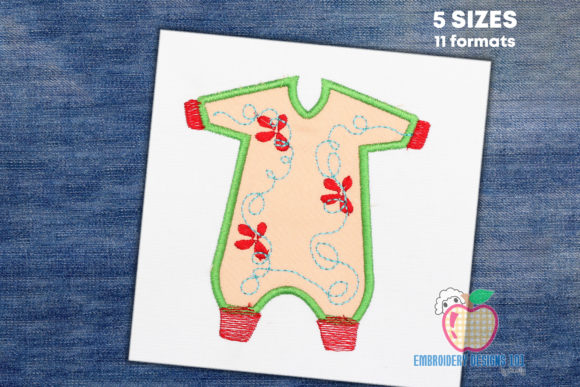
As an embroidery designer preparing for a weekend craft fair, my first task is to evaluate each digital file for its real-world potential. When I look at Sleeping Bag for the Baby, the title alone conjures an immediate, warm feeling. It leans distinctly into the soft and cute aesthetic, with a touch of that cozy, nursery-ready charm that parents and gift-seekers gravitate toward. This isn't a bold, modern graphic; it’s a gentle, decorative piece promising comfort. That emotional hook is its primary selling strength.
Where This Design Finds Its Home on the Sales Table
Visualizing my booth display—tote bags, aprons, tea towels, caps, pillow covers, and small pouches all arranged to catch the eye—I consider where Sleeping Bag for the Baby would stand out. Its appeal is inherently intimate and gift-oriented. Therefore, it won't be the star of a rugged market bag or a chef's apron. Instead, its natural habitat is on products meant for personal, cherished use.
My top candidates for application are:
- Pillow Covers: A small, decorative pillow for a nursery or a grandmother's couch becomes a premium, handmade product.
- Tea Towels: On a high-quality linen towel, the design becomes a lovely, functional kitchen gift for a new parent.
- Fabric Pouches & Small Totes: A delicate pouch for storing baby keepsakes or a small tote for mom's essentials adds value through personalization.
- Embroidered Patches: As a patch, it can be sold for customers to apply to their own blankets or baby carriers, expanding its versatility.
- Booth Samples: One beautifully embroidered pillow, displayed prominently, acts as a silent salesperson, demonstrating the quality and sentiment.
On a cap or a heavy-duty apron, this design might feel misplaced, losing its delicate context. The key is pairing it with products that reinforce its nurturing narrative.
Production Practicality for the Busy Maker
Turning a machine embroidery design into a batch of craft fair products requires efficiency. The description notes steps separated by color, which is excellent for managing thread changes. For a design titled Sleeping Bag for the Baby, I anticipate potential areas that need careful handling.
- Stitch Density & Detail: Designs with bundled babies or intricate sleeping bag textures can have dense stitch areas. I must test this on scrap fabric first to ensure it doesn't pucker or become too rigid, especially on softer fabric textures like quilting cotton for pillows.
- Scale & Clarity: This design likely shines as a medium-sized focal point. If reduced too small for a cap or a tiny pouch accent, tiny details and any possible small lettering could lose clarity, diminishing its appeal.
- Fabric & Contrast: It will sing on light, solid-colored fabrics. On dark fabric, thread contrast is critical; a test run is non-negotiable to see if the soft theme survives. For textured towels, a good stabilizer is my best friend to maintain crispness.
- Batch Production: The emotional appeal is repeatable. Once I confirm the ideal hoop size, stabilizer, and thread colors from my test, producing multiple pillow covers or towels becomes a streamlined process, perfect for creating a cohesive small shop product line.
Capturing Customer Attention and Adding Value
At the fair, customers don't just buy an object; they buy a feeling. Sleeping Bag for the Baby embroidered on a pillow isn't just a pillow; it's a "welcome to the world" gift. This transforms a $15 tea towel into a $25 giftable handmade product. The design elevates perceived value through its specific, heartwarming narrative.
For my Etsy listings and printable mockups, the design photographs beautifully if stitched cleanly. A close-up shot highlighting the embroidery's texture against a simple fabric background communicates handmade quality instantly. In the booth, displaying the embroidered item alongside a simple, complimentary product (like a plain blanket) can create a story and drive buyer engagement.
The Designer's Final Checklist Before Stitching
Before my machine hums and I commit to production, my professional routine is absolute.
- Create a Real Mockup: Stitch Sleeping Bag for the Baby on the exact fabric I plan to sell (e.g., linen for towels). This reveals everything.
- Inspect the Practical Output: Check for puckering, thread coverage in dense areas, and overall visual balance on the product.
- Compare Fabric Colors: Try it on at least two background colors to offer variety to customers.
- Confirm Commercial Use: The description mentions multiple embroidery file formats for multiple machines. I must verify my license permits selling the finished product commercially before any item hits my table.
- Plan the Display: Decide which finished product makes the strongest visual impact for the booth's focal point. That sample is my first investment.
Sleeping Bag for the Baby is a design with a clear, marketable heart. Its success hinges on thoughtful product pairing and flawless execution. By placing it on items that echo its cozy sentiment and ensuring every stitch reflects quality, this embroidery file can become a quiet, profitable star of my handmade market offerings, appealing directly to the creative entrepreneur looking to sell warmth and connection.