Christmas Fairy Embroidery Design Review
As an embroidery designer preparing for a holiday craft fair, the first step is always to evaluate a new design like Christmas Fairy with a critical, product-focused eye. You’re not just looking at a digital file; you’re imagining it stitched out on real products, displayed on a crowded booth table, and catching the eye of a buyer walking past. Let’s break down where this festive design shines and where you need to pay attention before production.
First Impression: Festive, Decorative, and Giftable
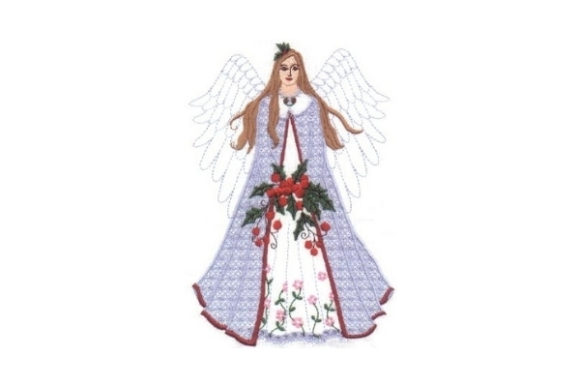
The title Christmas Fairy immediately sets a mood. This isn’t a minimalist geometric pattern or a bold, funny slogan. It leans into a decorative, whimsical, and festive aesthetic. For your target customers—those looking for a special holiday gift or a charming addition to their own home—this suggests a design that feels handmade and storybook. It’s likely to appeal to shoppers who enjoy a touch of magic in their Christmas decor, making it a strong candidate for products meant as gifts, like pillow covers, small pouches, or decorative tea towels.
Where Christmas Fairy Stands Out on Craft Fair Products
Your booth display is a mix of tote bags, aprons, tea towels, patches, caps, and more. Christmas Fairy needs to find its best home.
Strong Candidates for High Visual Impact
- Tote Bags & Market Bags: As a larger focal design, a Christmas Fairy embroidery can transform a simple bag into a standout, gift-worthy item. The decorative nature adds perceived value.
- Pillow Covers: This is a perfect application. A festive pillow is a quick, desirable holiday purchase. The design’s likely intricate details would shine on a smooth, solid-color fabric like linen or cotton.
- Tea Towels & Aprons: In the kitchen category, this design feels more decorative than purely utilitarian. It would work best on a “special occasion” towel or apron, positioned as a premium, handmade gift.
- Embroidered Patches: If the design has clean outlines, it could be made into a patch. However, this depends heavily on stitch density and small detail clarity—test first.
Considerations for Smaller or Challenging Items
- Caps & Curved Surfaces: Embroidering on a curved cap can distort designs. The Christmas Fairy’s potential delicate features might lose integrity here unless the file includes a specifically adapted version.
- Small Pouches & Accent Items: If scaled down to a small accent on a pouch zipper tab or corner, tiny details like fairy wings or small lettering could become a muddy, dense stitch blob. Always test at the intended size.
- Dark Fabric: The design’s appeal depends on thread contrast. On dark navy or black holiday fabrics, you must ensure the color palette has light, bright threads to maintain clarity and whimsical feel.
Practical Production Notes for the Embroidery Business Owner
Turning a digital embroidery file into a sellable, batch-produced craft fair product requires practical checks.
Test Before You Batch Produce
- Stitch Density & Fabric Texture: Always stitch the Christmas Fairy design out on scrap fabric identical to your final product fabric—like the textured weave of a tea towel or the thick cotton of a tote. High stitch density can cause puckering on thinner fabrics without proper stabilizer.
- Hoop Size & Design Integrity: Confirm the smallest hoop size the design can be stitched in without loss of detail. This dictates your minimum product size. For larger items like bags, a bigger hoop allows the design to be a beautiful focal point.
- Thread Colors & Contrast: Review the suggested thread palette. Does it pop on your chosen fabric colors? Does it feel cohesive and festive? Consider swapping in metallic threads for fairy elements to boost premium appeal on booth samples.
- Create a Real Mockup: Before listing on Etsy or committing to batch production, stitch one perfect finished product. Photograph it in natural light. This real-world mockup is crucial for evaluating online listing appeal and physical booth display strength.
Selling & Display Considerations
At the craft fair, Christmas Fairy needs to grab attention quickly.
- Works at a Glance: A decorative fairy design is easy for customers to understand—it’s clearly Christmas, clearly handmade embroidery. This fast recognition is vital in a busy market.
- Boosts Product Value: On a simple item like a tea towel, a complex, pretty embroidery like this elevates it from a basic utility item to a “handmade holiday treasure,” allowing a higher price point.
- Brand Consistency: If your shop’s vibe is whimsical, festive, or gift-focused, Christmas Fairy reinforces that. Display it alongside other decorative holiday designs to create a cohesive, attractive booth section.
- Photography for Online Sales: For your Etsy listing or printable mockups, ensure your photos highlight the texture of the stitches. Close-ups of the fairy’s details will sell the handmade quality better than a flat digital preview.
Final Designer Advice Before You Sell
The description notes it comes with multiple embroidery file formats. This is excellent for production flexibility across different machines. The note that it can be used in multipl suggests commercial use is contemplated, but you must confirm the commercial licensing terms explicitly before selling finished products. Never assume.
Your ultimate goal is to have a product that looks beautiful, feels high-quality in a customer’s hands, and can be produced reliably for your entire stock. For Christmas Fairy, focus on its decorative strength. Apply it to products where its intricate details can be appreciated—like pillow covers and tote bags. Avoid forcing it onto items where scaling down will hide its magic. With careful testing on fabric, stabilizer, and thread, this design can become a charming, profitable part of your holiday craft fair lineup, engaging buyers who are searching for that perfect, festive handmade gift.