A Designer’s Review of the “Happily Frog” Embroidery Design
As someone who stitches for clients and for my own small shop, I look at every design through a practical lens. How will it sew? Where will it shine? And will it hold up in the real world of handmade products? Today, I’m considering the “Happily Frog” machine embroidery design.
The Mood and First Impression
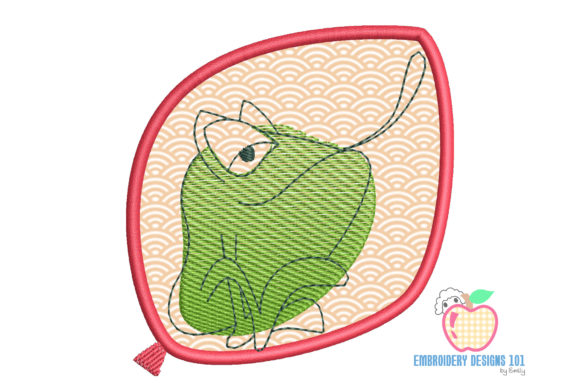
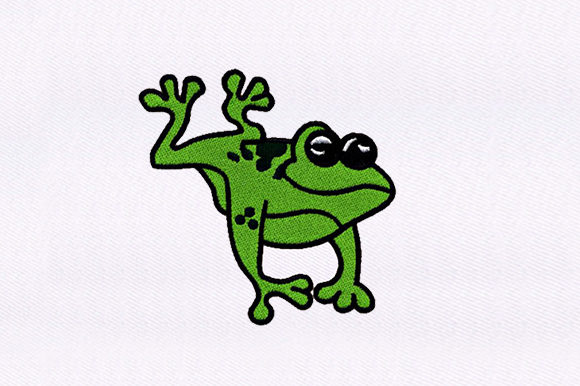
This design immediately strikes a cheerful, playful tone. The name “Happily Frog” is a perfect descriptor—it feels whimsical and friendly. The shape and composition suggest a design that isn’t overly complex, leaning more toward a charming, graphic personality. It’s not a hyper-realistic reptile study; it’s a character. This visual personality makes it a natural fit for projects that need a touch of lightheartedness.
Where This Design Finds Its Perfect Home
I envision this frog living happily on items meant to bring a smile. It would be an instant favorite for baby items—a delicate touch on a organic cotton bib or a soft nursery blanket. It’s a strong candidate for personalized gifts, like a kitchen towel for a gardener or a tote bag for a nature-loving friend.
For my craft business, I’d lean toward using it on a high-quality sweatshirt or a sturdy canvas tote bag. The friendly aesthetic translates well to boutique merchandise and Etsy listings. It could also become a go-to design for simple holiday gifts, like embroidered pillow covers or tea towels, where a universal, cheerful motif adds value without being seasonal.
A Real Project Scenario: The Boutique Tote Bag
Let’s say I’m preparing a limited-run tote bag for my shop. I choose a natural linen blend. My first thought with “Happily Frog” is thread color. I’d likely test a palette of greens and a contrasting accent color for details on a scrap first. On linen, the design’s graphic nature should pop with clean stitching. I’d be considering how the finished product feels—does the embroidered area become too dense and stiff for a bag’s fabric? A successful result here would mean a bag that looks handmade and special, elevating it from a simple carrier to a branded, giftable product.
Performance on Real Surfaces and Fabrics
This is where a designer’s experience really comes into play. The “Happily Frog” design, given its theme, likely has areas of fill stitch and perhaps some satin stitch or running stitch details. On standard apparel like t-shirts and sweatshirts with proper stabilizer, it should perform well. On baby clothes, using a lighter-weight stabilizer and mindful placement is key to maintain fabric softness.
More challenging applications need forethought. On a curved surface like a cap, any very small, isolated details might need adjustment to maintain clarity. On dark fabrics, thread color contrast becomes paramount—a dark green frog on a black sweatshirt might lose its definition. Textured fabrics like some blankets could obscure finer lines. And for products destined for frequent washing, like aprons or kitchen towels, a robust stitch density and secure stitching are essential for longevity, which builds customer trust in your handmade presentation.
Where to Use This Design Carefully
A friendly design like this can still present practical hurdles if not matched to the right project. If the design contains tiny, intricate elements—like very small eyes or delicate line work—stitching it on a very small hoop size could compromise clarity. Thin or stretchy fabrics require meticulous stabilization to prevent puckering, especially if the design has dense areas.
For layered garments or items with seams, placement is crucial to avoid stitching over difficult areas. My professional advice is always to test on a scrap of the actual project fabric first. This test reveals everything: how the stitch density feels, whether small details stitch out cleanly, and how the thread colors interact with your specific background.
Impact on Your Business and Craft
From a commercial perspective, a well-executed “Happily Frog” embroidery adds significant value. It turns a basic garment into custom apparel. For an Etsy seller or small shop owner, it creates a recognizable product that can enhance brand consistency if you develop a line of nature-themed items. It boosts giftability—a cute, well-made embroidered item has immediate appeal.
The design’s professionalism, however, is determined by your execution. Using proper techniques ensures stitching clarity, which directly affects visual appeal and buyer engagement. A crisp, clean frog on a baby onesie looks premium; a puckered, blurry one looks amateur. This difference defines your reputation in a crowded market.
Essential Designer Notes Before You Stitch
Before you load the “Happily Frog” embroidery file and start a project, here’s my checklist.
- You have the file format you need. This design comes in a wide range of formats including PES, DST, JEF, and others. Confirm it matches your machine.
- Check the licensing terms for this digital embroidery file if you plan to sell finished products or use it in commercial embroidery. Not all designs have the same permissions.
- Test the design on a scrap fabric that mimics your final product—checking for stitch density, detail integrity, and color contrast.
- Inspect the design in your software. Look for any potential trouble spots like extremely small satin stitch columns or tightly packed fill areas.
- Consider creating printable mockups or testing the design in black and white digital previews to see how it reads without color.
- Plan your stabilizer strategy based on your fabric texture—woven, knit, stretchy, or thin.
- Think about the final product’s use. If it’s a decorative pillow cover, density is less critical. If it’s a child’s activewear shirt, durability is key.
The Final Verdict for Makers
The “Happily Frog” machine embroidery design presents a wonderful opportunity for crafters and creative entrepreneurs. Its cheerful, graphic nature makes it adaptable to a host of projects from baby embroidery to boutique tote bag designs. Its real value is unlocked through thoughtful application: choosing the right fabric, perfecting your technique, and aligning it with products that suit its personality.
For a digital product seller, it’s a design asset with broad appeal. For a hobbyist making personalized gifts, it’s a source of fun. And for a professional looking to add a reliable, charming option to their catalog, it’s a candidate worth testing thoroughly. Approach it with a designer’s practical eye, and this happily frog could very happily become a staple in your embroidery project lineup.