A Designer's Review of the Celtic Tree of Life Embroidery File
As an embroidery designer who regularly sources files for both client projects and my own product line, I approach every new design with a critical eye for real-world application. When considering the Celtic Tree of Life embroidery file from Creative Fabrica, my primary question is: will this design hold up in a commercial or handmade setting? This review is based on evaluating it for that purpose.
First Impressions: Visual Appeal and Project Fit
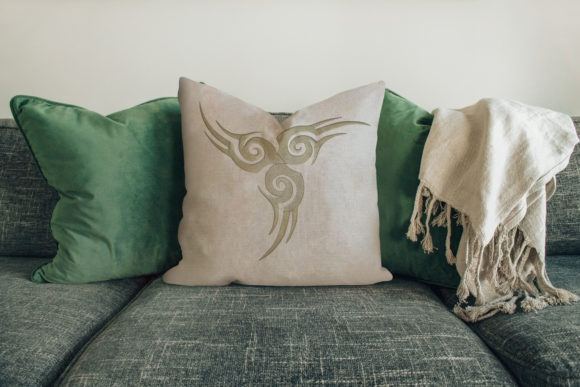
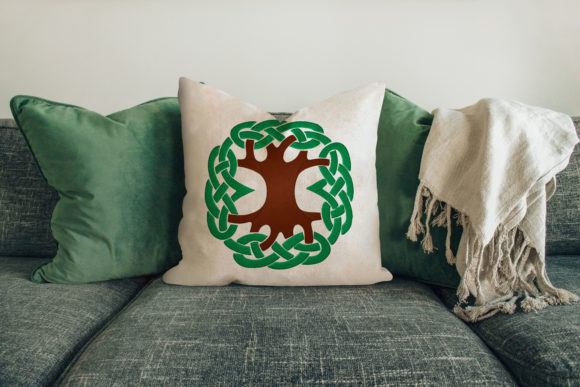
The Celtic Tree of Life design carries an immediate sense of craftsmanship and symbolism. Its intricate, interwoven branches and roots suggest a hand-digitized attention to detail, which is a crucial starting point. Visually, it has a balanced, decorative appeal that feels timeless—not trendy, which can be a strength for products meant to last. This isn't a flashy design; its personality is rooted in texture and tradition. I immediately pictured it on items where that mood matters: elegant pillow covers, heirloom-quality baby blankets, statement tote bags, and well-made apron sets. It feels suited for House category items, but its versatility extends to apparel like sweatshirts where a more meaningful graphic is desired over a simple logo.
Performance in Real Embroidery Projects
Let's talk about putting this machine embroidery design into action. The product description notes it's available in six sizes and digitized by hand. That size range is promising for testing across different projects.
For custom apparel like t-shirts and sweatshirts, the intricate nature of the Celtic Tree of Life means stitch density is a key consideration. On stretchy fabric, a dense fill stitch area can create stiffness. I would strongly recommend testing on a scrap of your intended fabric first, using the appropriate stabilizer. The design might perform beautifully on a sturdy sweatshirt fleece, but could be problematic on a lightweight tee without proper precautions.
For home goods and accessories—tote bags, pillow covers, kitchen towels, aprons—this is where I believe the design shines. These substrates are generally less forgiving of stretch but more forgiving of density, allowing the texture of the satin stitches and fill stitches to become a feature. On a dark fabric, the contrast will be striking, but you must review thread color contrast carefully; some of the finer, interwoven lines might need a slightly thicker thread weight or a high-contrast color to maintain definition.
Navigating Challenges: Small Details and Surfaces
Any design with layered details requires practical forethought. The Celtic Tree of Life likely contains small elements and potentially tiny lettering if a phrase is included (though the description doesn't specify). For projects like embroidered patches or caps, where the curved surface and smaller hoop size are factors, you must select the appropriately sized file and inspect the stitchout closely. On a cap, very small, dense areas can pucker. For a patch, which might be applied to various items, the detail must be clean to withstand handling.
Items needing frequent washing, like kitchen towels or baby blankets, demand a robust stitchout. After your test run, inspect the small details for potential loose threads or weak points in the running stitch outlines. A well-digitized file should lock these in, but always verify through a real sample.
Impact on Product Value and Customer Trust
From a business perspective, whether you're an Etsy seller, craft fair vendor, or boutique owner, the design you choose directly impacts perceived value. The Celtic Tree of Life embroidery file offers a handmade presentation that feels intentional and skilled. It doesn't look generic. This enhances visual appeal in product photography and can improve customer engagement—people connect with symbolic, well-executed art.
For personalized gifts and seasonal handmade gifts, this design carries emotional weight, boosting its giftability. Using it consistently across a line of products, like a set of nursery decor items, can also aid in brand consistency. It suggests a curated collection, not a random assortment of downloads.
Essential Practical Steps Before Production
Before committing this digital embroidery file to a customer order or your product inventory, a disciplined approach is non-optional.
- Test on Scrap Fabric: Use the same material, stabilizer, and thread you plan for the final product. Compare light and dark fabric mockups if you intend to offer both.
- Review the Stitchout: Examine the actual embroidered sample for thread coverage, density, and the integrity of all small details.
- Confirm Hoop Size: Match the file size to your machine's capabilities and the physical dimensions of your product. Don't assume.
- Check File Details and Licensing: Always return to the Creative Fabrica product page for the Celtic Tree of Life before selling finished items. Confirm the specific file formats, exact sizes, and the license terms for commercial use. The description provided is a starting point; the product page holds the definitive, legal information you need.
Final Designer Thoughts
The Celtic Tree of Life from Creative Fabrica presents itself as a high-quality, hand-digitized design. Its aesthetic is strong for niche products where detail and symbolism are assets. For straightforward applications on stable fabrics like tote bags and pillow covers, it is likely a very reliable and beautiful choice that can elevate your handmade product or commercial embroidery offering.
However, its intricate nature demands respect for the embroidery process. It may not be a "one-size-fits-all" file for every fabric or surface. Your success with it will hinge on those practical tests and preparations. For designers and makers who take those steps, this embroidery file could become a valuable, versatile asset in your library for creating products that feel both crafted and meaningful.