A Circus Seal Embroidery Design for Real-World Projects
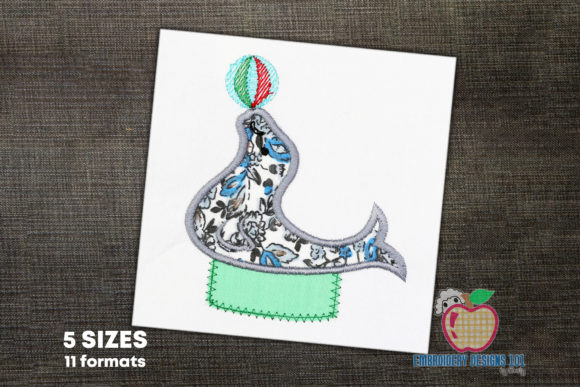
When a design file named Circus Seal Playing with Ball lands in my library, my first thought isn’t about the technical specs. It’s about the story it tells on fabric. This particular applique design immediately conjures a playful, vintage-circus mood. The seal’s cheerful posture and that classic ball create a visual personality that’s both nostalgic and charmingly simple. It’s not an overly complex illustration, which for an embroidery applique design is often a strength. The shapes are clear, the layout feels balanced, and the detail level strikes me as practical—enough character to be engaging, but not so dense that it becomes a stitching challenge on everyday items.
The Perfect Project Fit: Where This Seal Belongs
I envision this machine embroidery design coming alive on items where whimsy and a touch of innocence are welcome. Picture it on a child’s hoodie or a baby blanket—it’s a natural fit for nursery decor. But its appeal isn’t limited to kids. I’m thinking of a custom tote bag for a quirky friend, or a cheerful apron in a kitchen. As a embroidered patch, it could revitalize a plain backpack. For small business owners, especially those running a boutique or an Etsy shop with a playful brand, this seal could become a signature element on tea towels, pillow covers, or simple sweatshirts. It feels like a design that would work beautifully as a holiday gift—personalized without being overly specific.
Considering the Stitching Reality
Before I’d run this for a client project, my practical side kicks in. The description notes “steps are separate,” which is crucial for an applique. This structure allows for control over fabric layers and colors, a must for a clean finished product. The promise of multiple embroidery file formats means broader machine compatibility, but I’d always advise confirming the specific formats and your machine’s compatibility before starting. Since exact hoop size isn’t stated here, I’d automatically test it on a scrap to gauge its dimensions and see how the stitch density behaves.
For a design like this, with likely areas of satin stitch for outlines and fill stitch for larger shapes, fabric choice matters. On a standard cotton tote or a stable sweatshirt fleece, it should stitch out crisply. On thinner or more stretchy fabric, like a t-shirt, a robust stabilizer strategy is non-negotiable to prevent puckering. The playful nature might tempt one to use it on a curved surface like a cap, but I’d examine the design file closely first; some layouts don’t adapt well to curvature without distortion.
Where to Exercise a Bit of Caution
Every design has its ideal applications and its trickier ones. For the Circus Seal, I’d be mindful of very small hoop sizes. If the design is physically large, reducing it too much might compromise the clarity of the seal’s features and the ball’s definition. Likewise, on very dark fabric, the choice of thread colors becomes paramount—you’d need bright, contrasting shades to make that playful figure pop. If the design has any particularly dense areas, I’d consider them carefully for items that will undergo frequent washing, as high stitch density can feel stiff on wearables.
This isn’t a design with tiny lettering or intricate decorative accents, which is a relief from a production standpoint. Its strength is in its bold, friendly shapes. That makes it a reliable choice for craft business items where you need consistency and a quick stitch time.
The Impact on Your Work and Your Customer
From a professional perspective, using a well-executed design like this elevates the perceived value of your handmade product. The clean, thematic result builds customer trust; it looks intentional and skilled. For a personalized gift, it adds a unique, cheerful layer without being overly sentimental. In a small shop product line, it can contribute to brand consistency if your vibe is fun and lighthearted.
I also think about buyer engagement. A circus seal isn’t a generic floral motif; it has a specific character that can spark a connection. In an Etsy listing or at a craft fair, that recognizable charm can be the detail that makes someone smile and decide to purchase. It’s giftable because it’s easy to understand and universally pleasant.
Practical Notes Before You Hit ‘Start’
My routine before committing any design to a final project involves a few key steps. For the Circus Seal Playing with Ball, I would absolutely:
- Stitch it out on a scrap of the actual project fabric first. This reveals everything: size, color interaction, and any potential issues with stitch density.
- Check thread color contrast against both light and dark backgrounds. Sometimes a color that looks perfect on-screen needs adjustment on real fabric.
- Inspect the small details in the test stitch—are the seal’s features distinct? Does the ball’s outline look clean?
- Consider creating simple black and white printable mockups for your shop or listings to visualize the final product.
- Most importantly, confirm the licensing terms. The description doesn’t specify commercial use, so it’s essential to verify whether you can use this digital embroidery file for commercial embroidery projects or in digital product packs before selling any finished items.
Embroidery, at its best, is about bringing a delightful image to life in thread. The Circus Seal Playing with Ball design has the inherent charm and straightforward composition that makes that process feel rewarding rather than fraught. It’s a design that seems to know its job: to be stitched, to be seen, and to add a little bit of playful circus magic to a custom apparel item, a kitchen towel, or a child’s favorite blanket. With the proper pre-testing and fabric considerations, it could become a go-to in your library for projects that call for a smile.